Salt one vegetable tonight. Tomorrow is already handled. One small night action — a quieter year of mornings.

You've tried.
Something keeps
getting in the way.
Not a willpower problem. A gap between the kitchen you imagined and the life you actually have.
Drift
When the kitchen you imagined and the life you actually live stop matching. Not failure — just drift. Drift can be reversed.
Some of this might feel familiar
The timing was wrong. Not you.
jar + stone + vegetable in one shot
This is
Picklestone.
A stone-weighted glass jar for overnight pickles
Not making you a cook. Putting one real vegetable back into your morning. Cut, salt, press — the stone does the rest overnight. One vegetable tonight. Breakfast tomorrow.
Three steps.
One night.
Not a recipe performance. The point is that tomorrow's vegetable is already there.
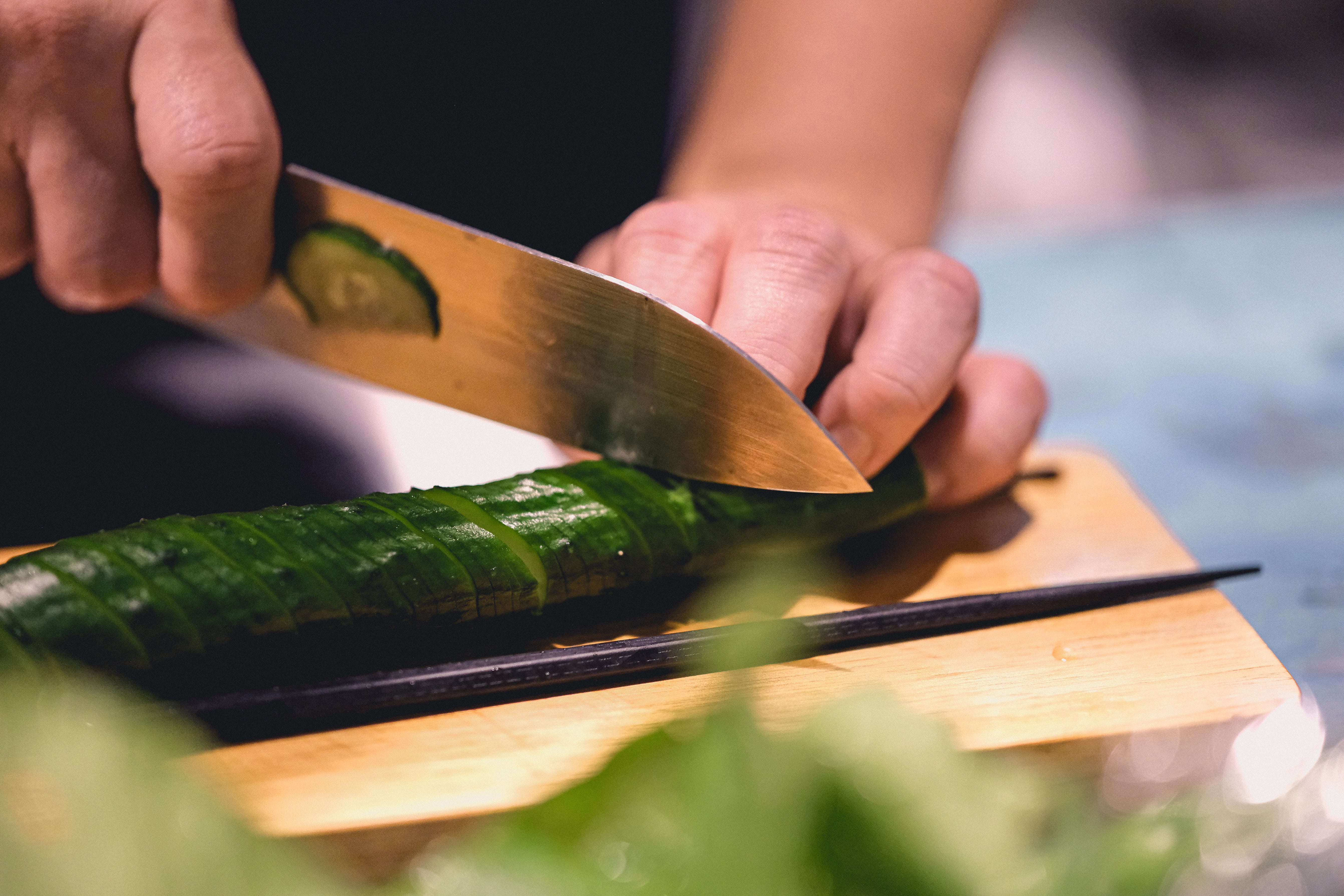
Cut
One vegetable — cucumber, radish, carrot, cabbage. Whatever's in the fridge. About five minutes.
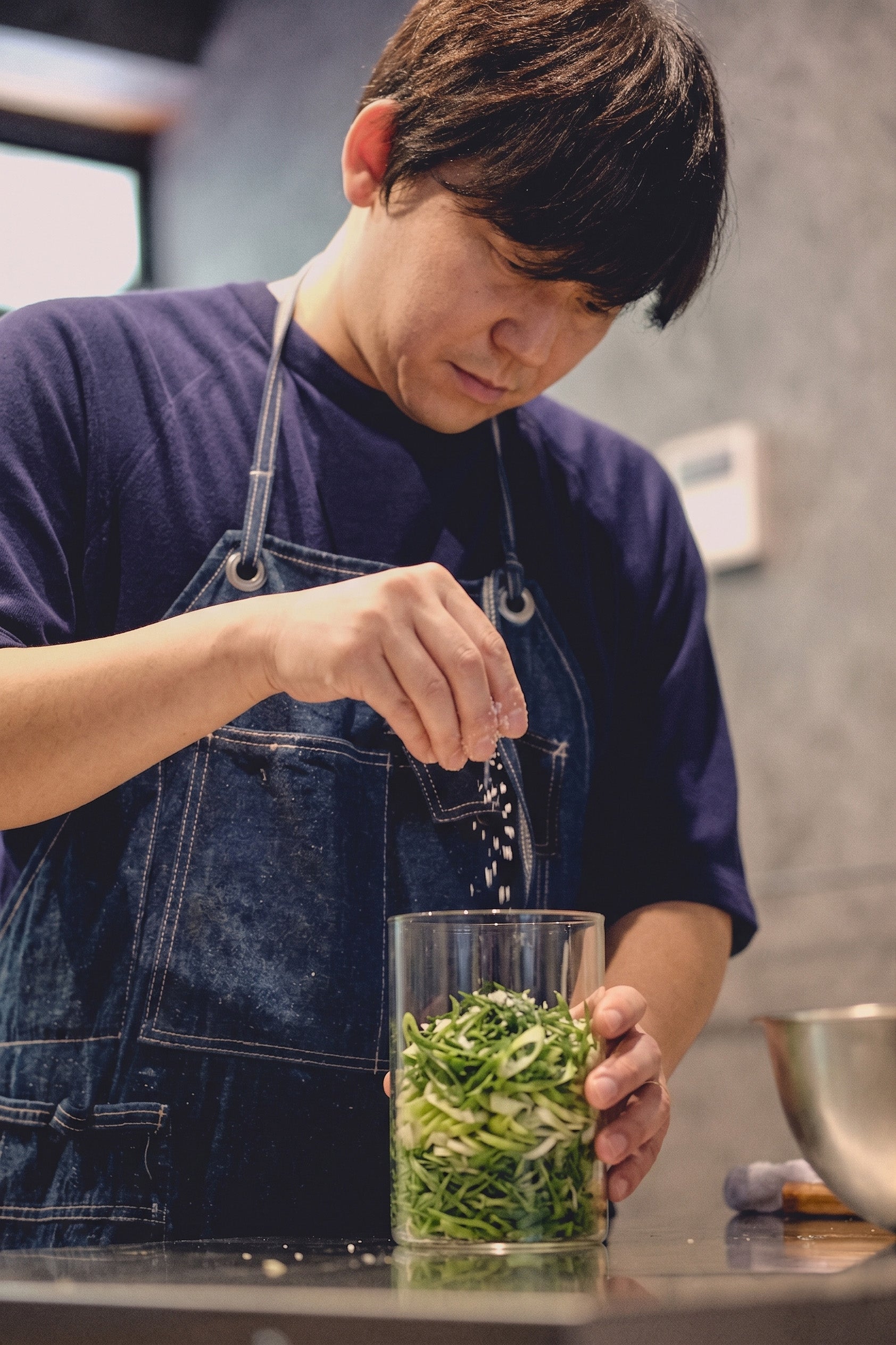
Salt
0.9–3% salt by vegetable weight. Lighter for quick pickles. Saltier for longer keeping. That's the only decision.
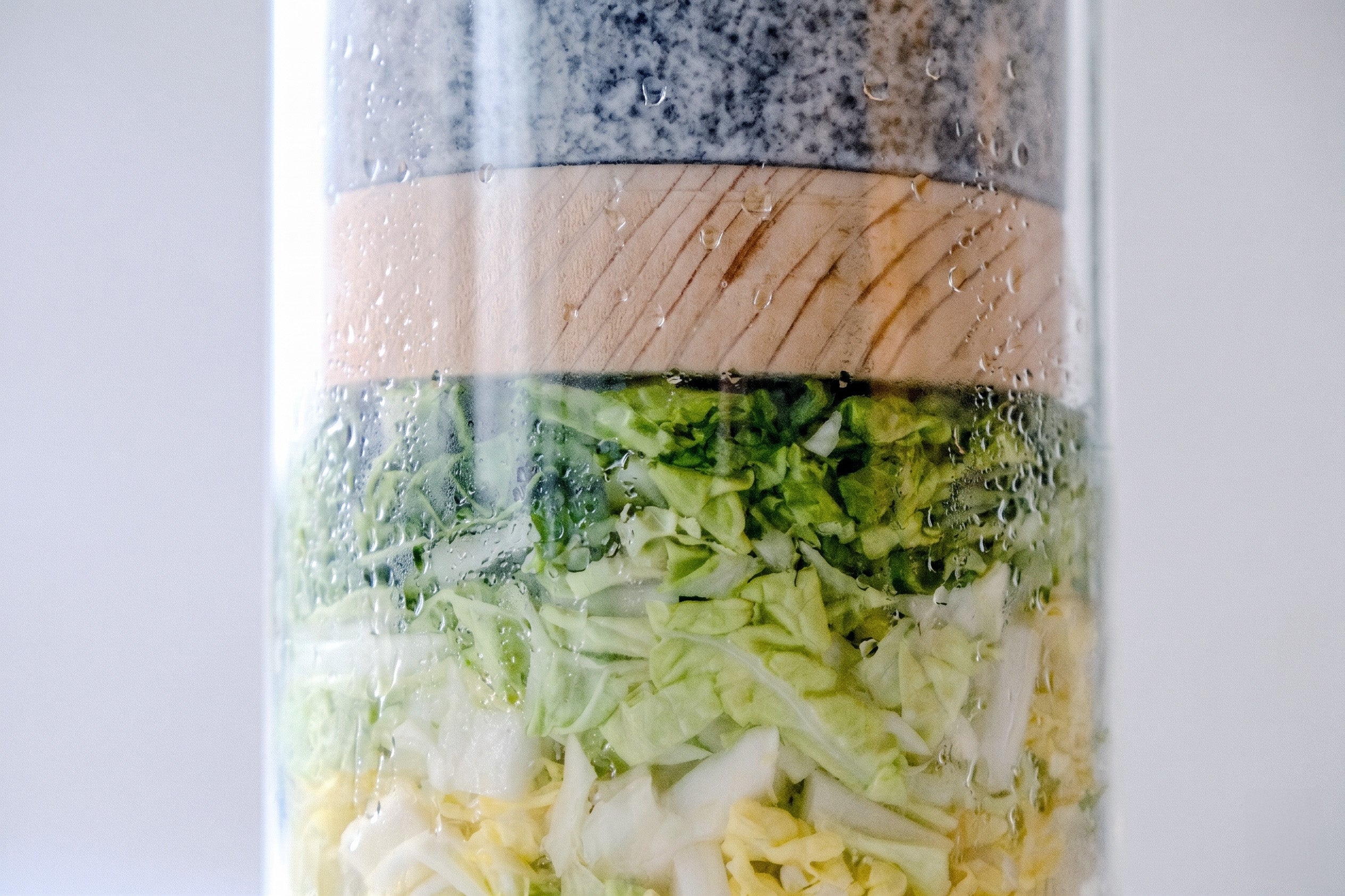
Press. Sleep.
Set the stone. Lid on. Into the fridge. Wake up to breakfast already made. Silicone cap keeps fridge odors out.
Why a stone?
Pressure changes
the timeline.
In Japanese pickles, pressure is the accelerator. The weight draws water out faster, tightens texture, and moves flavor sooner — often within hours to overnight. Springs and hand pressure vary; stone doesn't. The stone is what lets time start working.
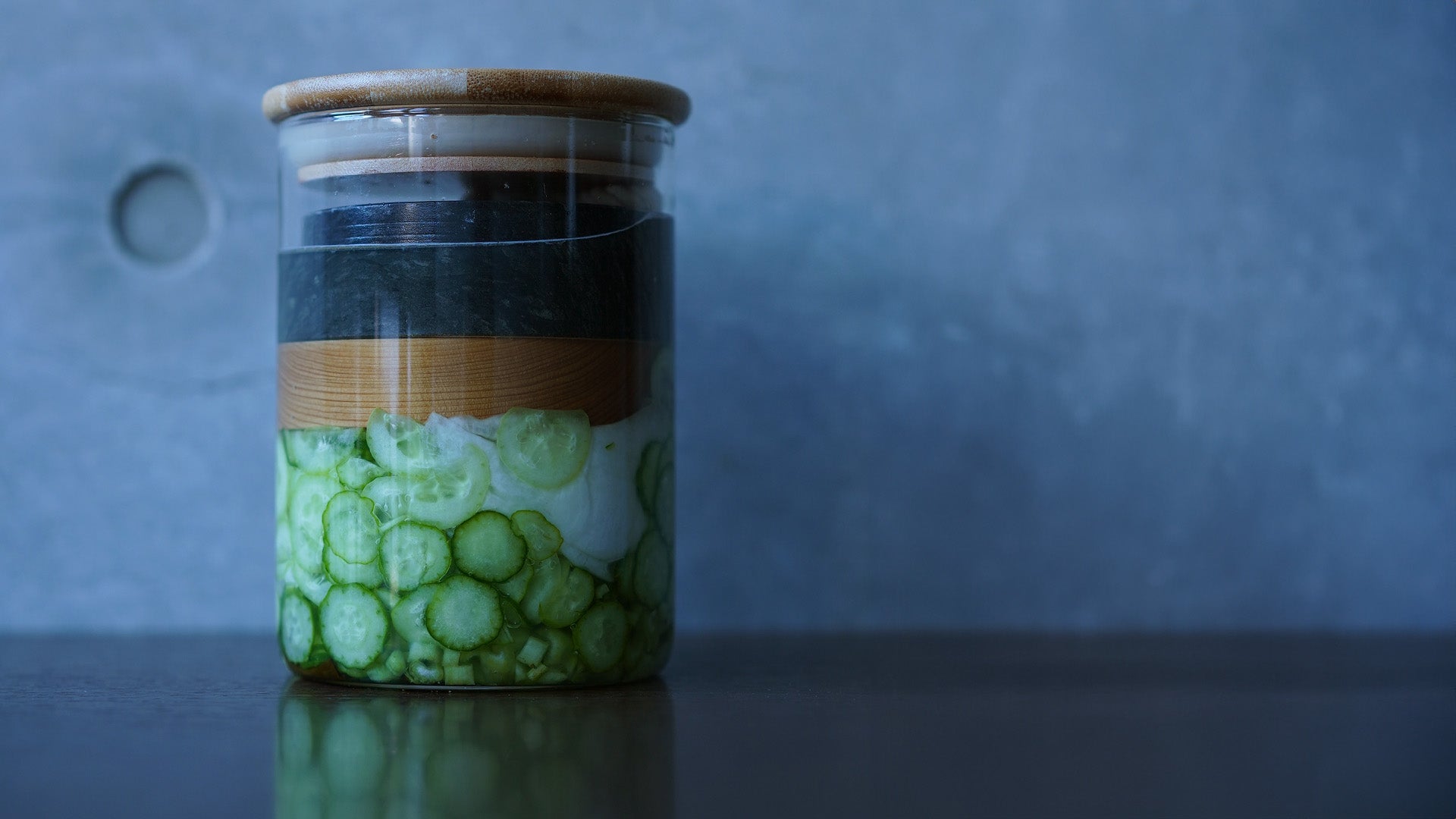
Why Aji stone?
Fine grain.
Quiet weight.
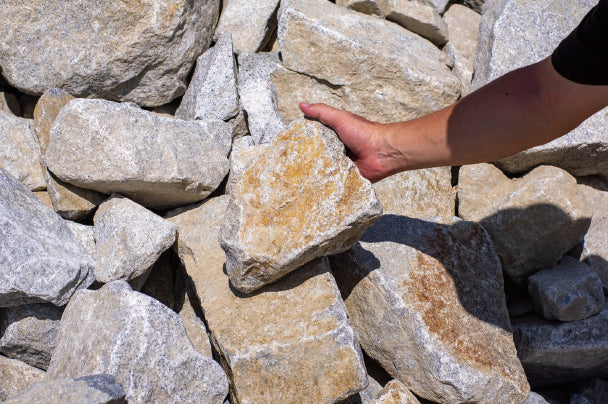
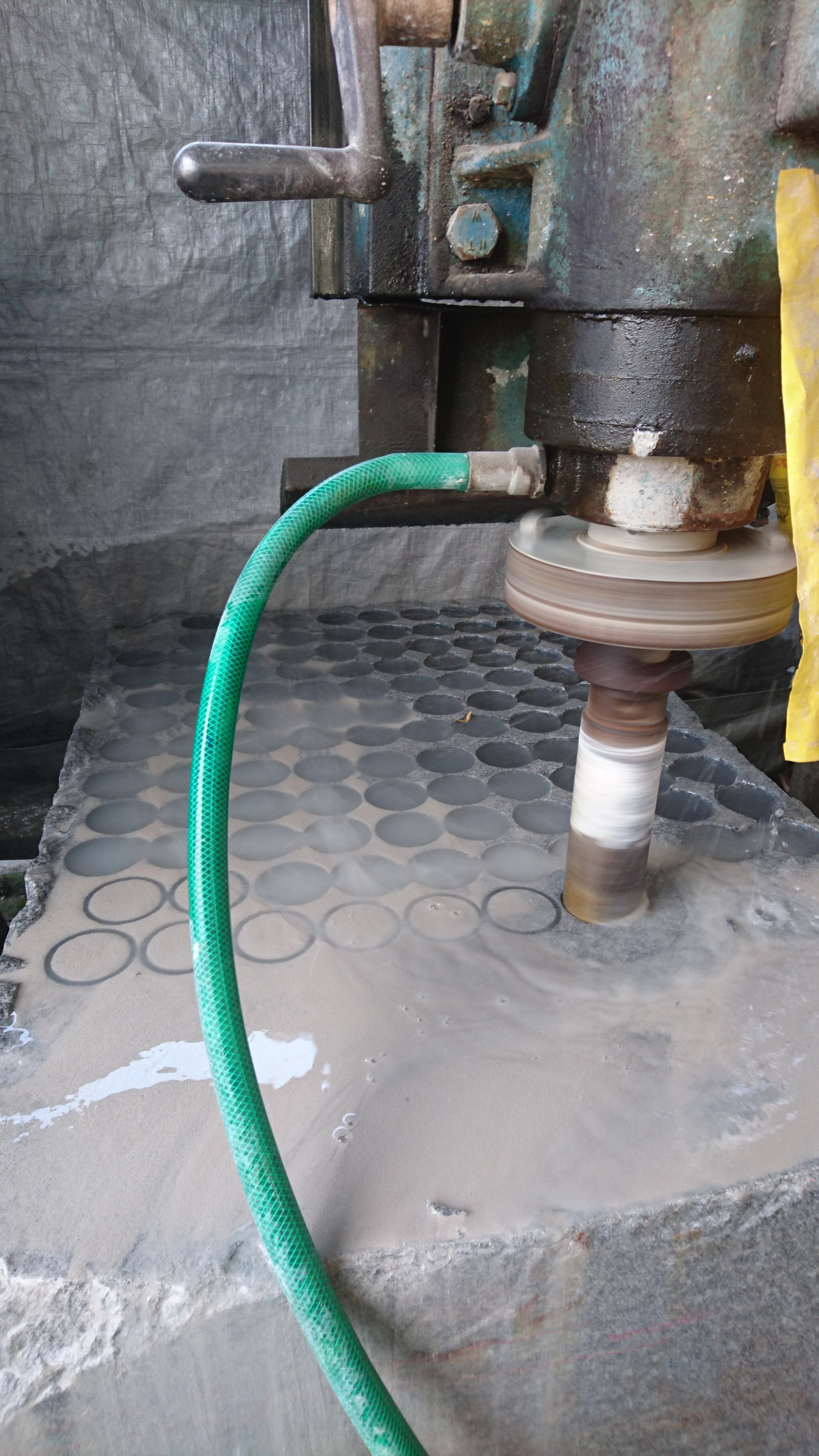
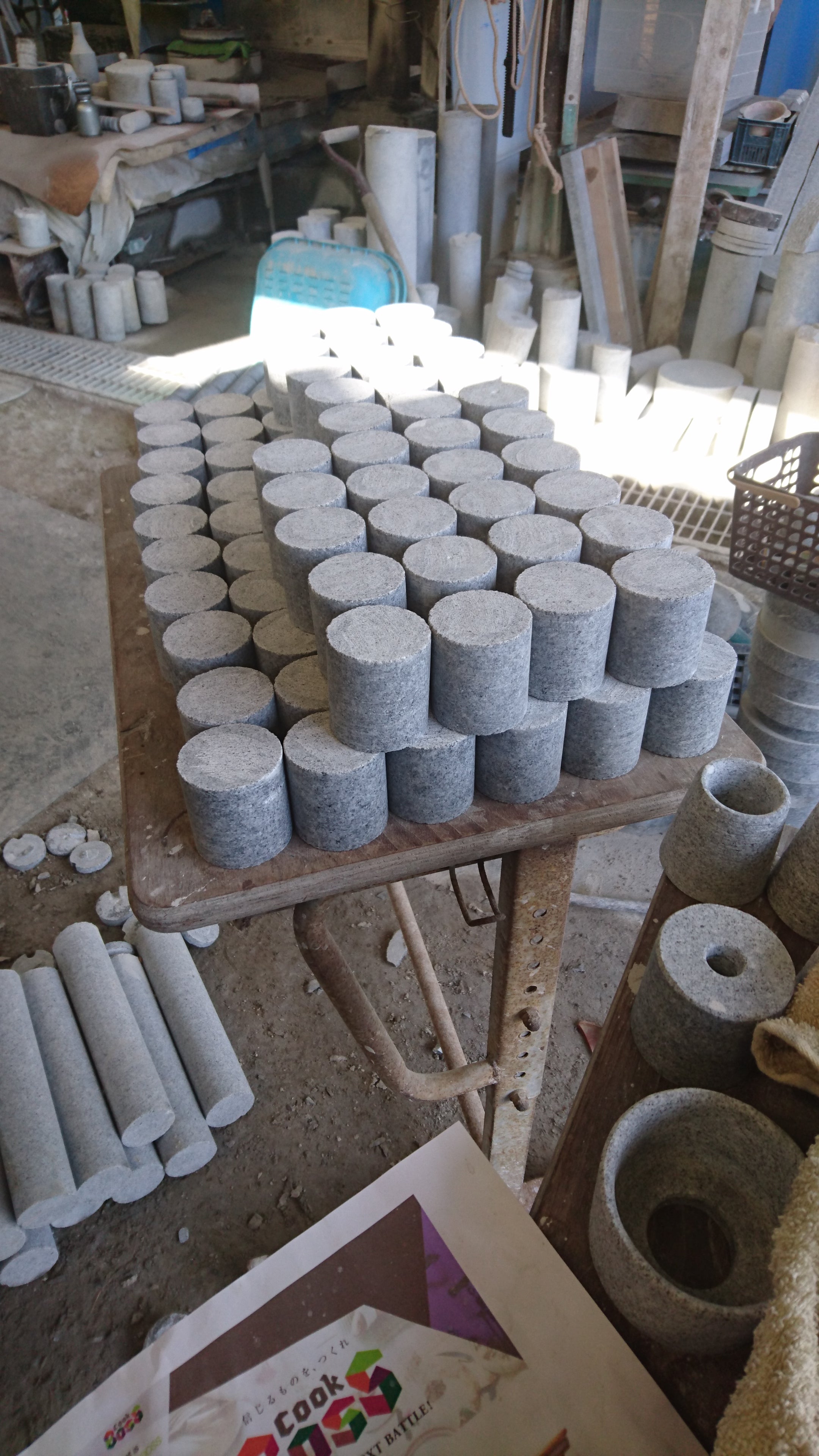
Quarried in Mure-cho, Kagawa prefecture. Fine-grained, durable, and calm in daily use. Cool in the hand, steady on the jar, worn in quietly over time. The part that gets touched every day.
115 / 150 / 220 size lineup
Made for
the milk row.
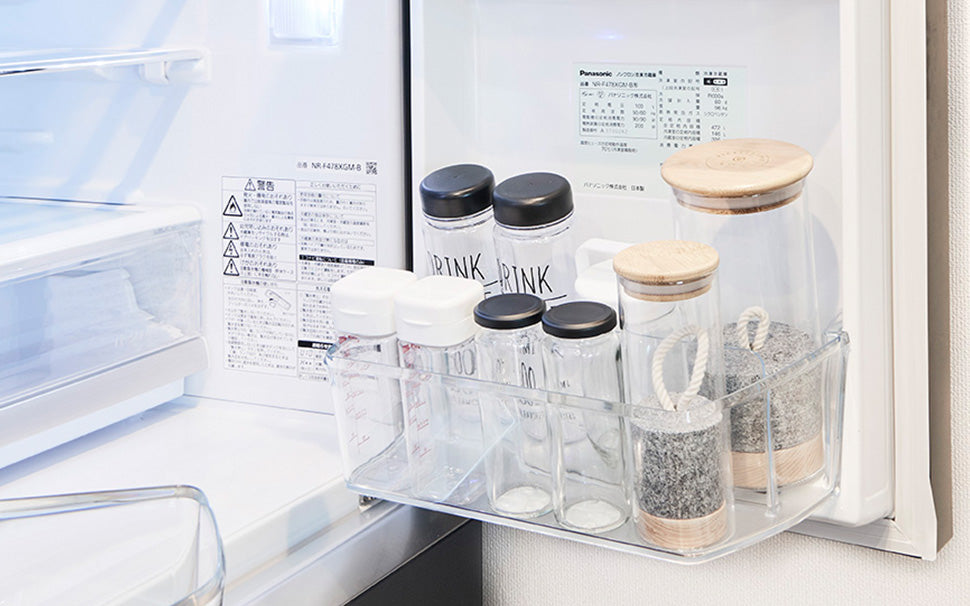
Picklestone is designed for real fridge life — not fantasy counter space. The 220 sits right next to a milk carton because that row is the most valuable space in the fridge: visible, reachable, daily. The tool only becomes a habit if it lives where your daily life already happens.
If you're unsure, start with 220.
220 set: diameter ~100mm, height ~215mm, approx. 1,170g.
Not a transformation.
Small shifts.
Which one
fits your fridge?
If you're unsure, start with 220 — it fits where the milk goes.


Every Picklestone set includes: glass jar · Aji stone weight · Ategi (Japanese cypress pressing disc) · silicone cap.
Ategi is a hinoki cypress pressing disc — not a lid. It distributes pressure evenly between the stone and the vegetables.
Picklestone — at a glance
Fell off?
Start again.
You don't need a perfect streak to belong here. Picklestone is not a commitment to consistency. It's a commitment to being able to restart.
Join the
reset note.
Join for the first reset notes, launch updates, and early access. No pressure. No streak required.
Frequently asked
Where does it ship, and how long does it take?
Ships from Japan. Currently shipping to Japan and the United States. For other countries, please contact us before ordering. Estimated delivery times vary by destination — we'll provide tracking once your order ships.
Are there duties or import taxes?
Import duties and taxes may apply depending on your country. For US orders, small packages are generally below the de minimis threshold, but we cannot guarantee this for all orders. We recommend checking your country's import regulations before ordering. We are not responsible for duties or customs fees.
What is your return policy?
We accept returns on unused, unopened items within 14 days of delivery. If your item arrives damaged, please contact us at contact@nutmeg-llc.com with photos and your order number and we will make it right. Return shipping costs are the buyer's responsibility unless the item is defective.
What's included in the set?
Glass jar · Aji stone weight · Ategi (a Japanese cypress pressing disc) · silicone cap. Everything needed to start the same night. The Ategi sits between the stone and the vegetables to distribute pressure evenly — it is not a lid.
How do I care for the stone?
Hand wash only — no dishwasher. Wipe, dry, keep it moving. The Aji stone develops a quiet polish with daily use. That is intentional.
How long does it take to make pickles?
About five minutes of active preparation. Salt the vegetables, set the stone, refrigerate overnight. Some vegetables are ready in a few hours; most are best after one night.
What vegetables can I use?
Cucumber, radish, carrot, cabbage, Japanese mustard spinach, onion, lettuce — almost anything in your fridge. Start with whatever you already have.
How much salt should I use?
0.9–3% salt by vegetable weight. Lighter for fresh quick pickles. Saltier for longer keeping.
Is T-Unit Jar Free compatible with the 115?
No. T-Unit Jar Free is compatible with Picklestone 150 and 220 jars only. Not for the 115.
Picklestone is the first piece.
The Drawer Set
is coming.
A complete drawer-fit kitchen prep system. Built for the kitchen you actually have. Picklestone is the entry point. The full reset is ahead.
Get early access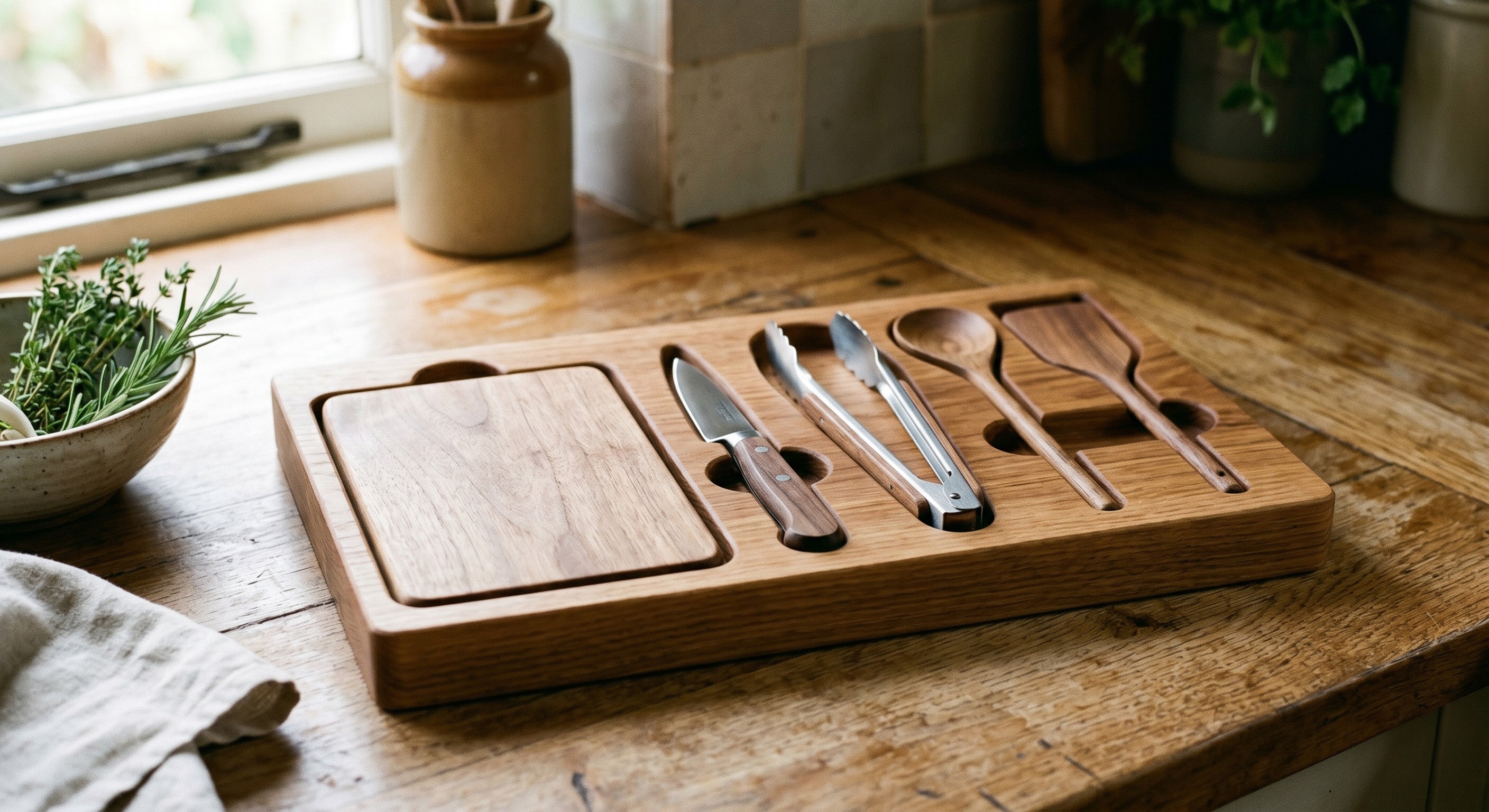
For hotels,
restaurants,
and partners.
Picklestone is available for wholesale, hospitality, and corporate gifting. We work with hotels, wellness facilities, and food businesses that share an interest in daily fermentation practice.
contact@nutmeg-llc.com"Because you can see the change, the story lands fast."
— Hakko Shisho